LOGGING, LEGACY & THE BEACH: The History of Mabana
Along the southern curve of Camano Island lies Mabana, a shoreline community with a surprisingly rich legacy—one that blends Native heritage, immigrant grit, mid-century ambition, and modern creativity.
The story begins with Swedish immigrant and logger Nils Anderson, known to locals as “Peg Leg” after a permanent injury from a logging accident. Anderson moved his family from South Whidbey to South Camano, joining the region’s longstanding Swinomish and Lummi inhabitants. In the early 20th century, he built a logging camp, general store, and an impressive 900-foot dock. A narrow-gauge railway ran the length of the dock, transporting logs, freight, mail, and passengers to and from freighters waiting offshore.
Anderson also gave the area its name—“Mabana,” a creative blend of family roots, combining the first syllable of his daughter Mabel with the last of his wife Johanna. Ever the community builder, he donated land for a school, and in 1916 the Mabana Schoolhouse was erected.
As time passed, change came in waves. In 1949, the construction of the Mark Clark Bridge—replacing a 1909 swing bridge across the Stillaguamish River—helped solidify Camano Island’s automotive connection to the mainland and Seattle, spurring development and access.
By the late 1970s, the original dock had disappeared, replaced by a bold symbol of a new era: a striking mid-century beach house built by Norma Somers, a member of a nearby homesteading family and co-owner (with husband Johnny) of the Red Apple Market chain. Designed with opulent interiors and high-end finishes, the home became a swank and sophisticated getaway. Construction wrapped in 1980, with Sommers’ personal style—including hurricane shades for sun protection and pristine preservation—ensuring it would remain a time capsule of modernist design.
In 2005, Kyla Fairchild, a Seattle music industry professional, tastemaker, and publisher of No Depression magazine, acquired the home. She curated its distinctive style—burnt orange carpet, custom wallpaper, burlwood tables, and atomic-age bric-a-brac—while preserving Sommers’ iconic vision. Fairchild, also co-owner of Seattle’s beloved Hattie’s Hat, leaned into the home’s retro vibe, embracing its soulful character.
In 2010, a new era of accessibility arrived with the Camano Gateway Bridge, replacing the aging Mark Clark span and offering improved passage for visitors and islanders alike.
Meanwhile, the Mabana Schoolhouse quietly marked a century of stories. In 2016, it was placed on the Washington Heritage Register, a recognition of its cultural and architectural value. Today it is owned and actively used as an art studio by oil painter Linda Demetre, a Camano resident since 1989 and one of over 100 artists who live and work on the island.
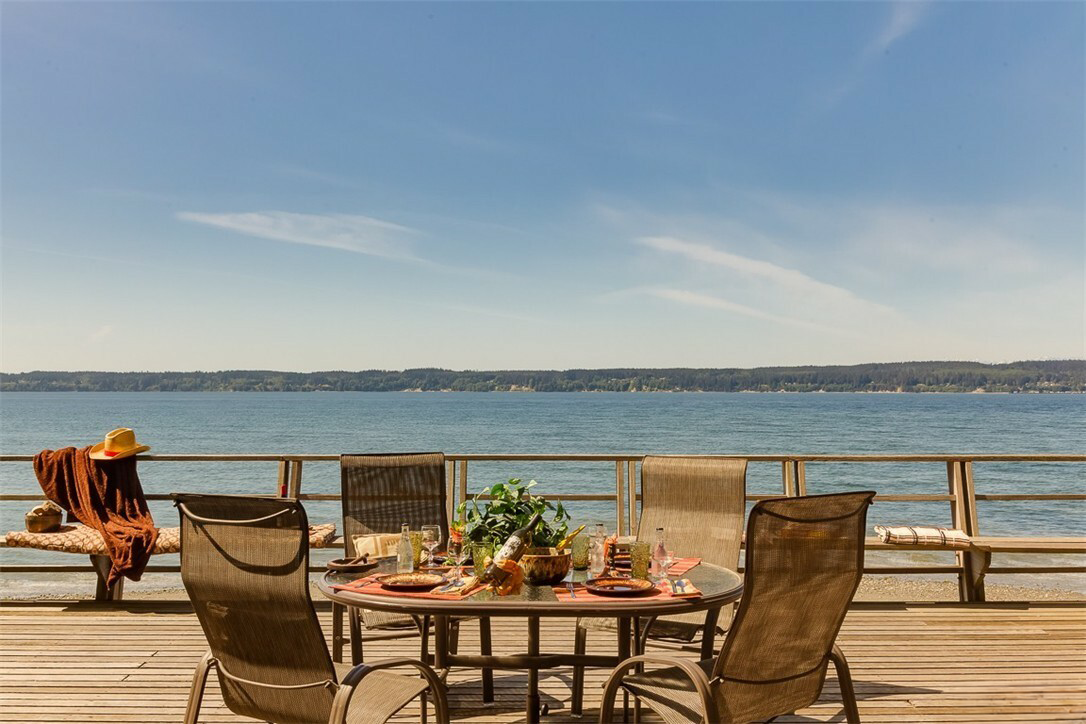
The home once built by the Sommers family—today known as the Mod Beach House—continues to evolve. Its current owner honors the site’s layered past while shaping its future, curating a collection of contemporary art by Dan Amell and Susan Dory, and commissioning a showstopping landscape by designer Brandon Peterson of The Palm Room (Ballard). The result is a beachfront retreat where sky, water, memory, and modern design coexist.
More than a home, more than a dock, Mabana is a place where history lives quietly but meaningfully. It’s where immigrant hands shaped a shoreline, where art and architecture overlap, and where each chapter leaves something behind for the next to build on.
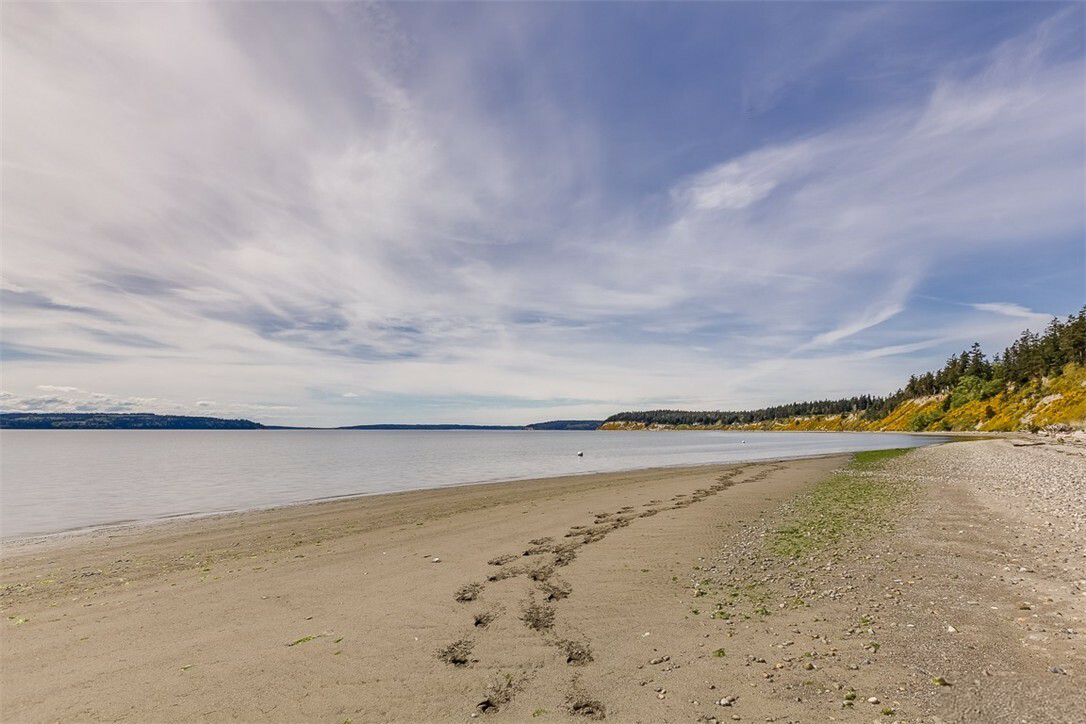
"Nestled in Puget Sound, where wildlife thrives and the seasons feed the soul."
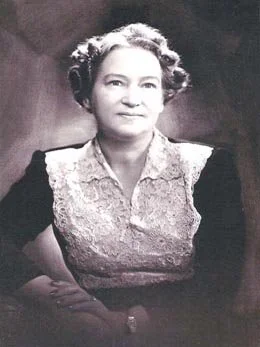
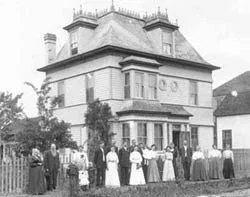
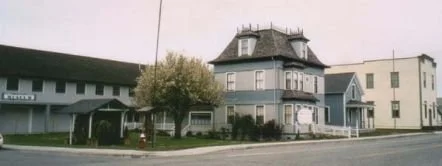
Photos Courtesy of Stanwood Historical Society: Mabel Anderson, Mabana Hotel, Parking Area, Port of Mabana, Dock at Port of Mabana – Photo Courtesy of David O. Anderson Family: Mabel Anderson