HOW TO RECOGNIZE A LOVELL HOME — and Why These Postwar Houses Still Work
Written by EDWARD KRIGSMAN
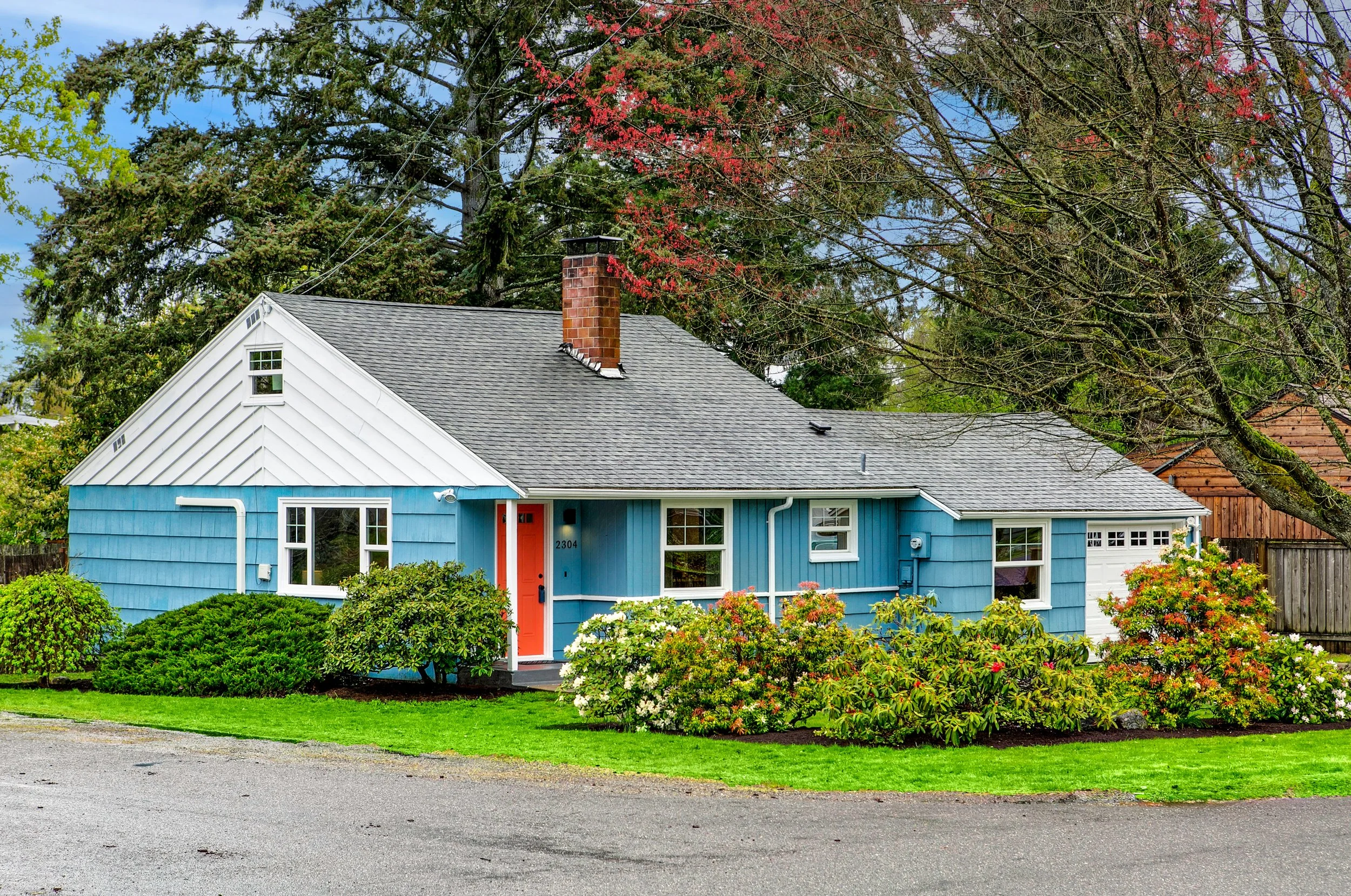
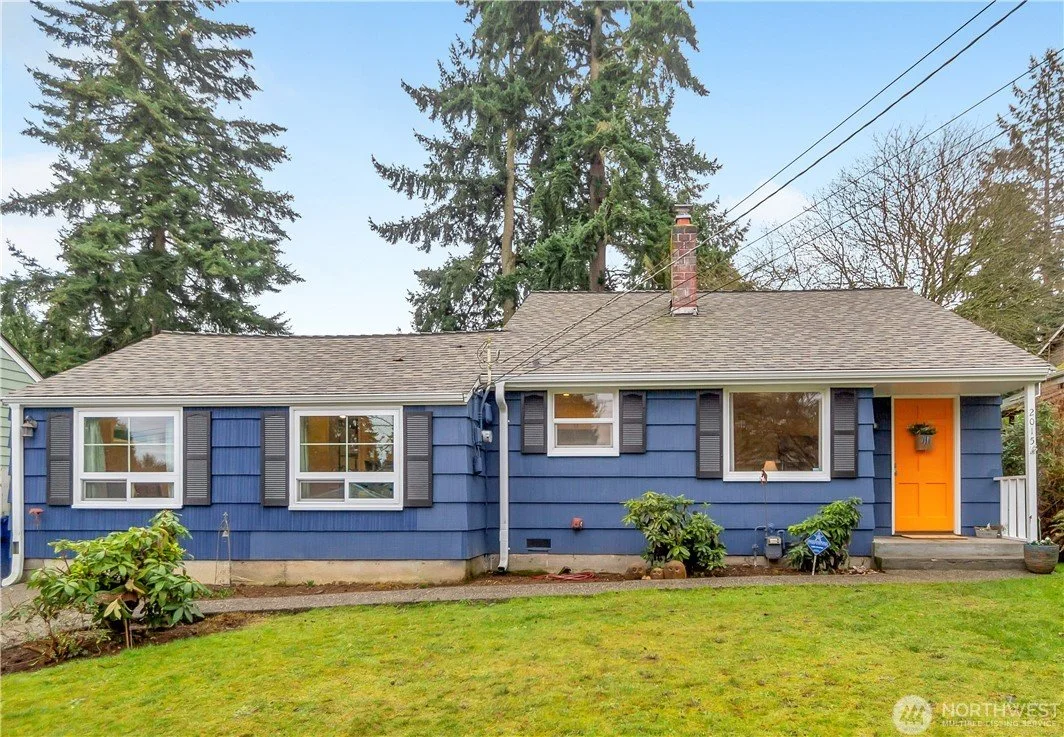
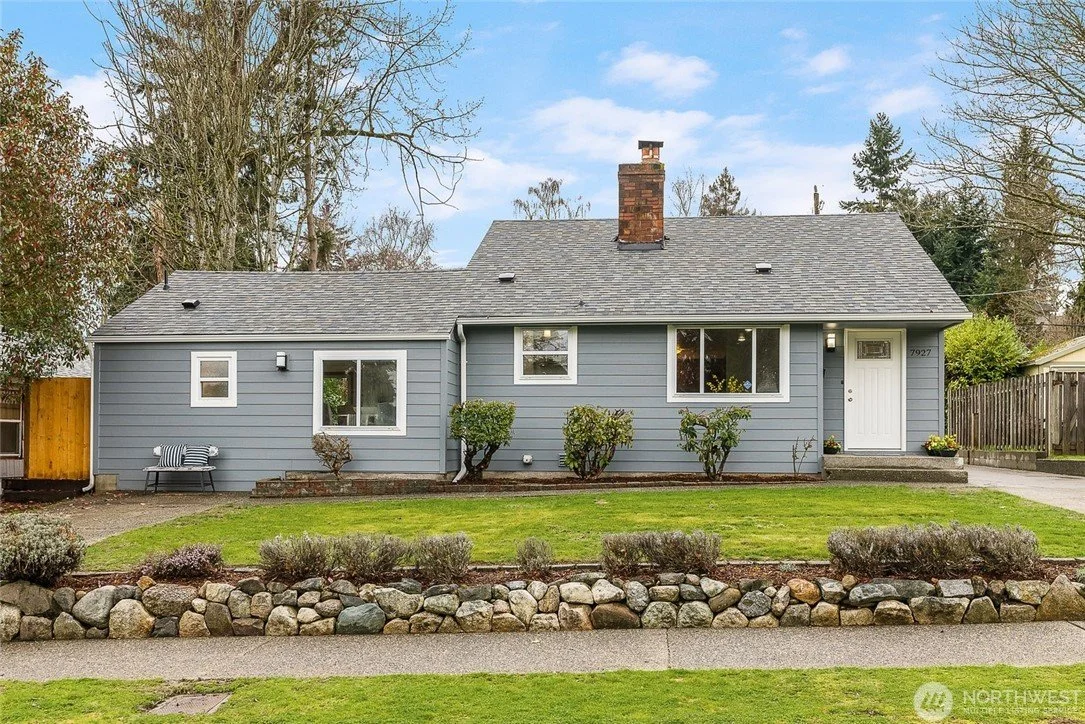
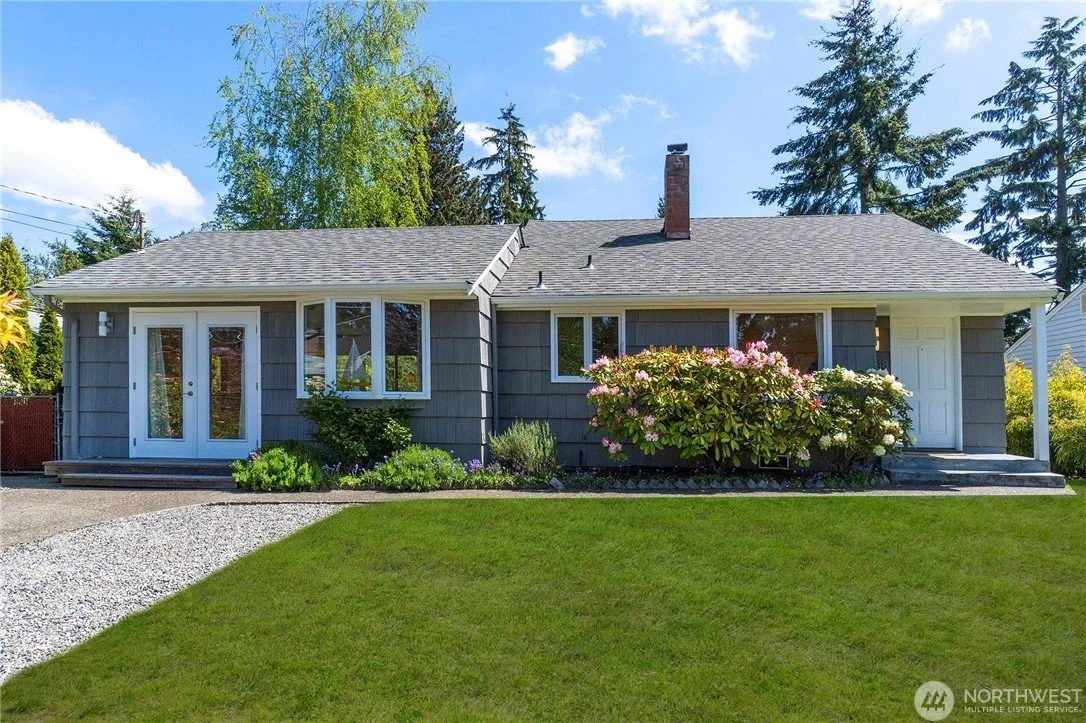
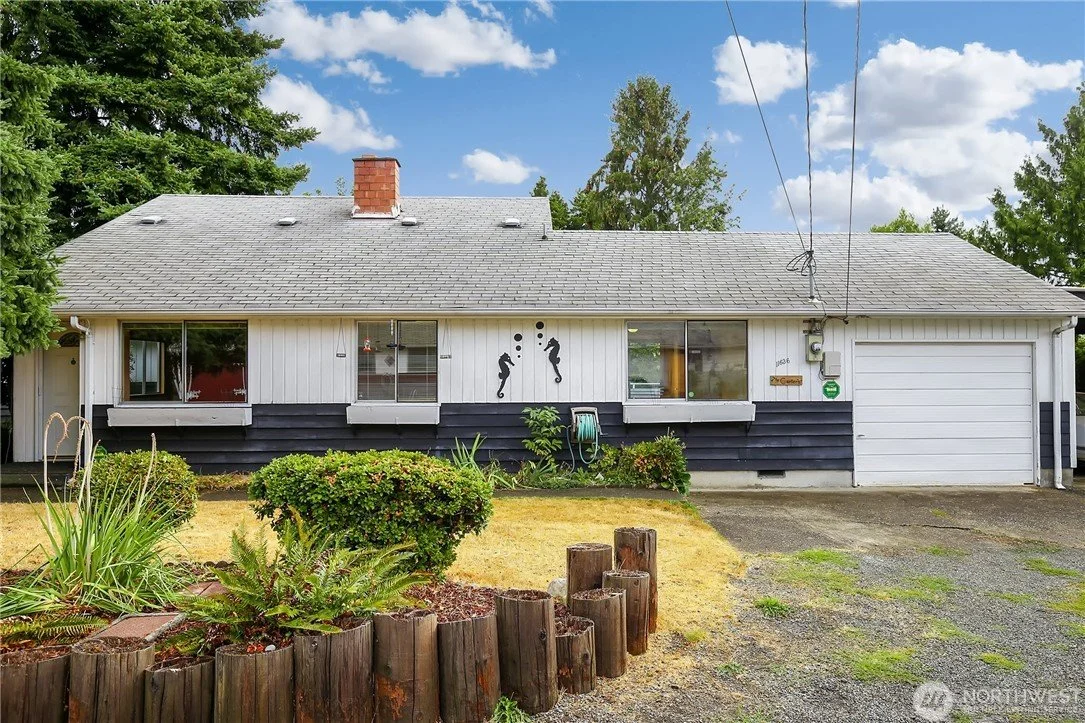
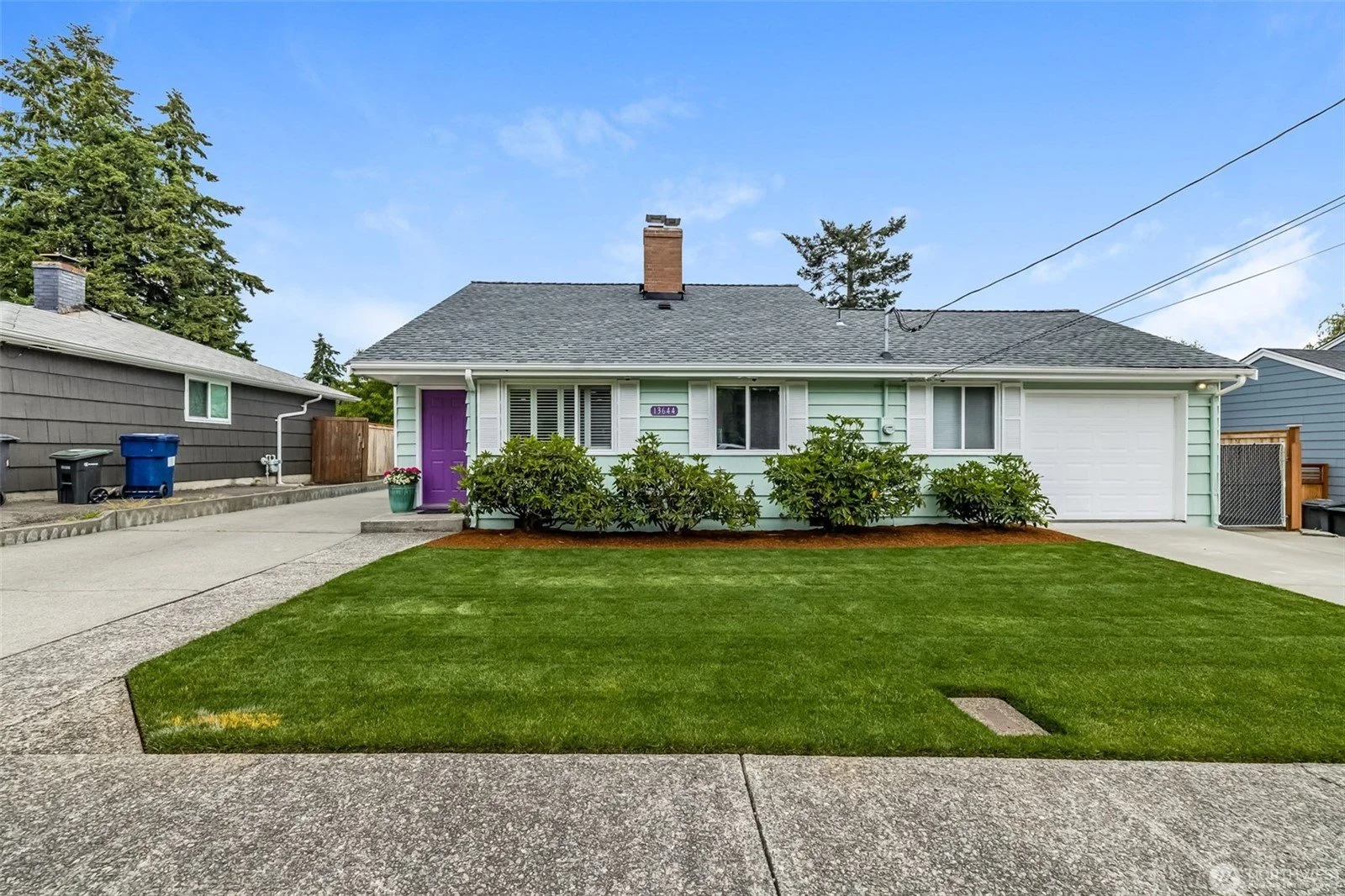
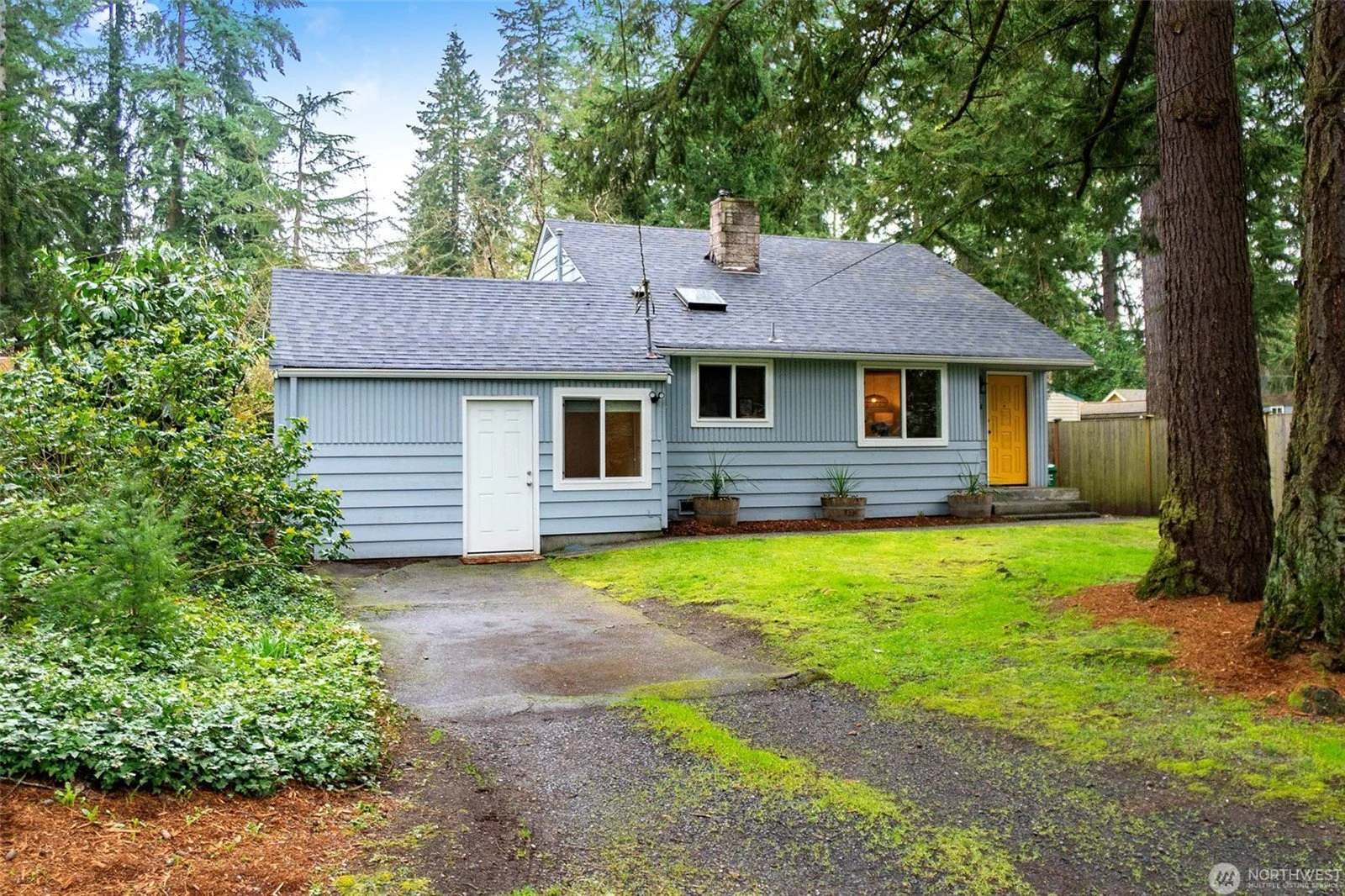
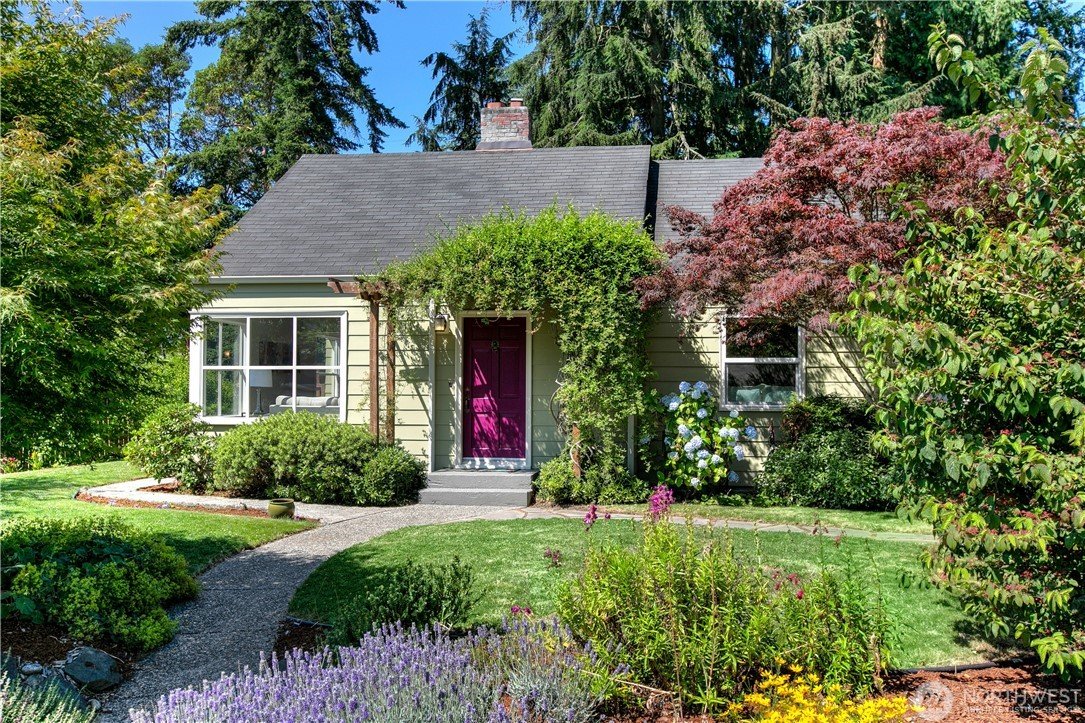
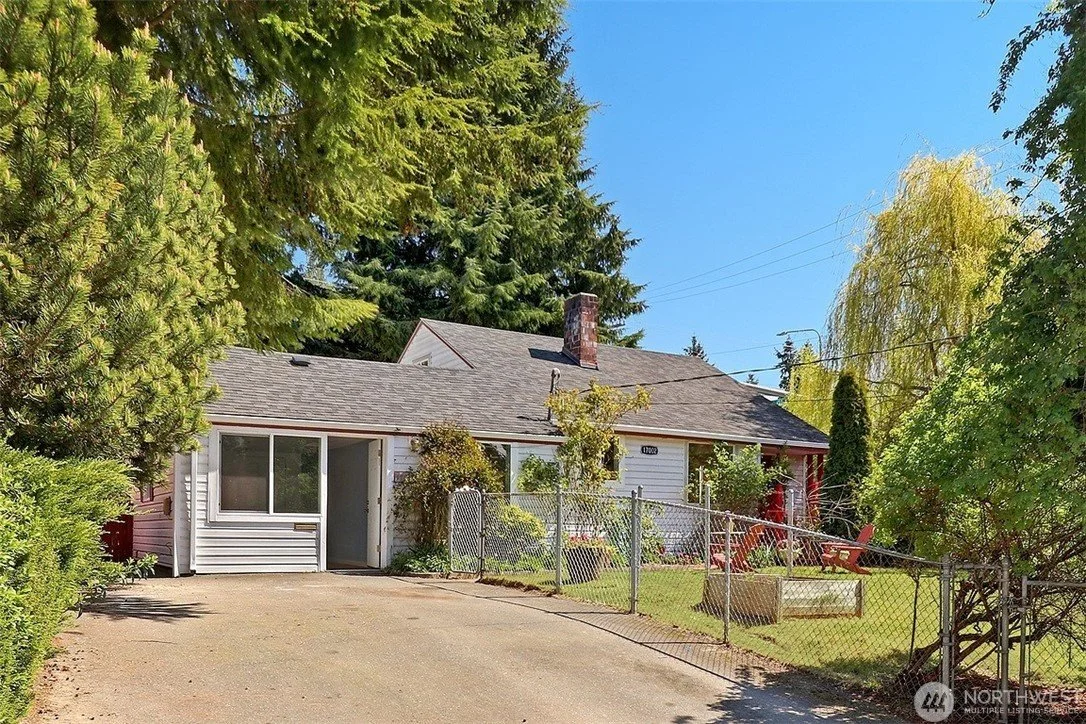
We recently listed two beautifully preserved Lovell homes in Shoreline, directly across the street from one another.
Seeing them together was a reminder of what makes these houses so interesting. They clearly share a common architectural vocabulary, yet decades of ownership, remodeling and everyday life have allowed each to develop its own character.
That is, in many ways, the story of Ellsworth Lovell’s houses.
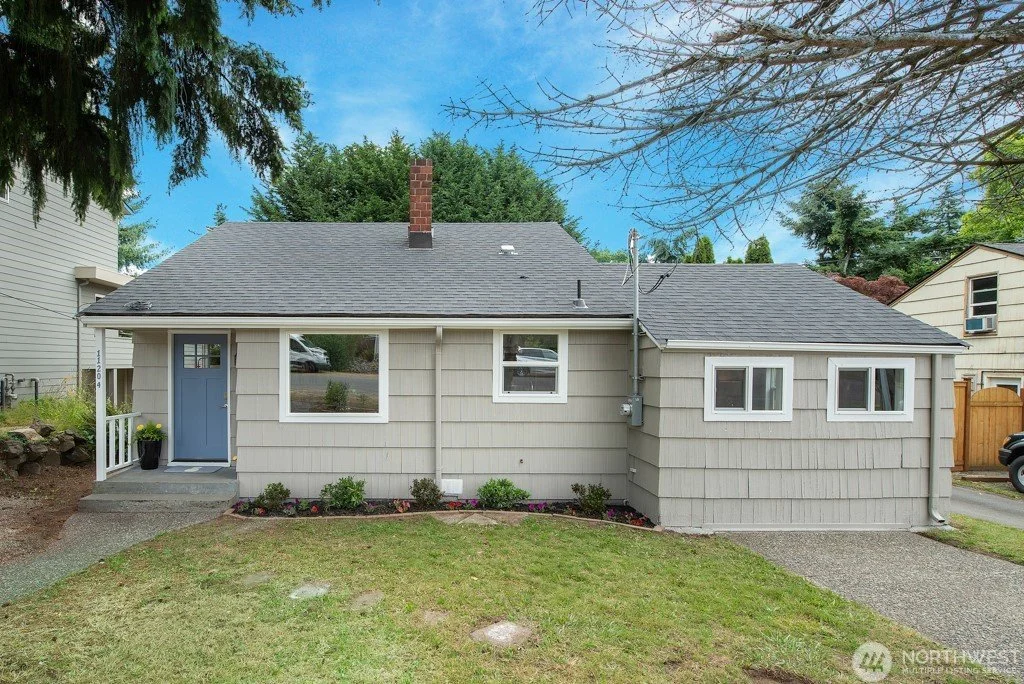
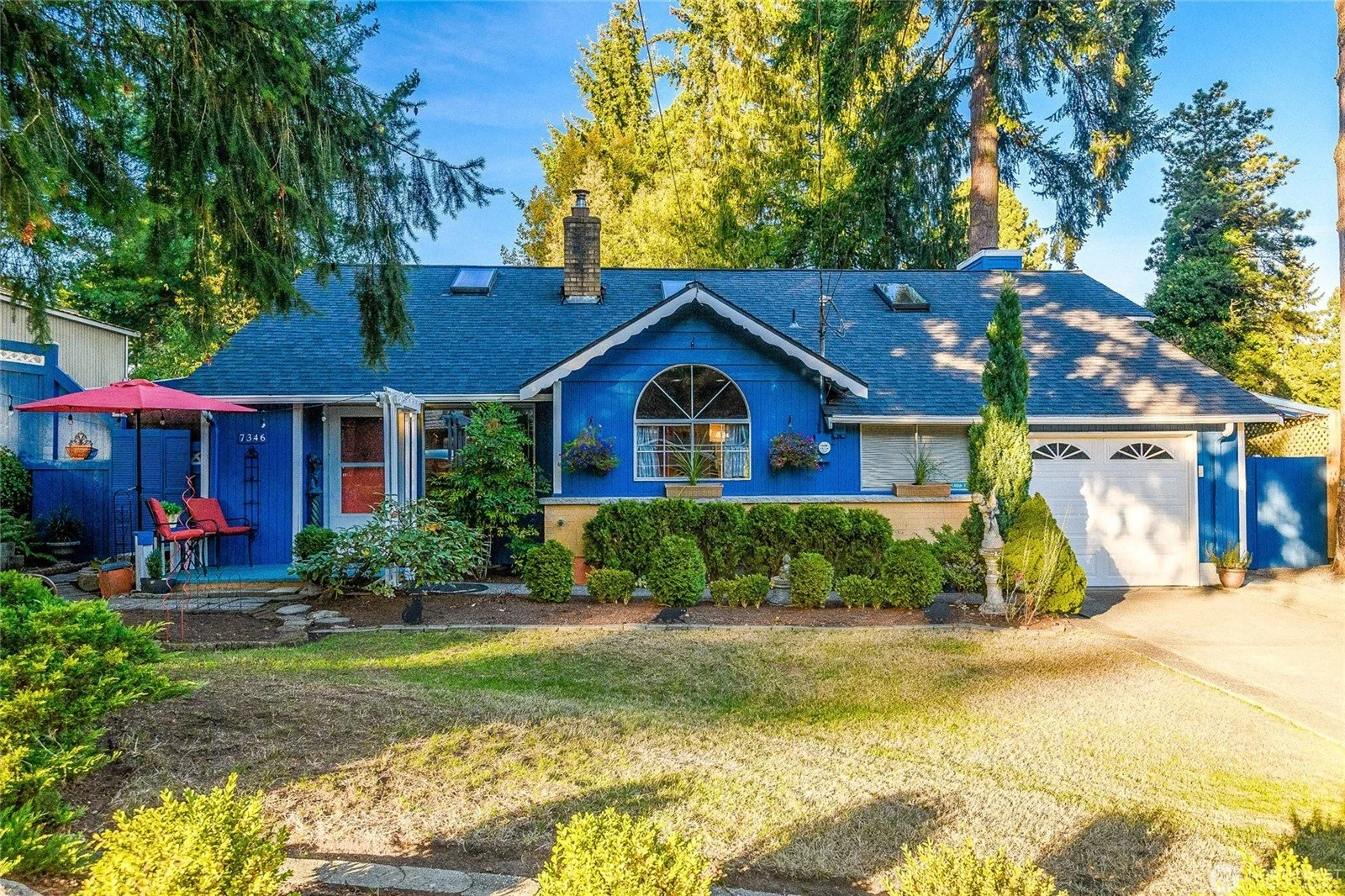
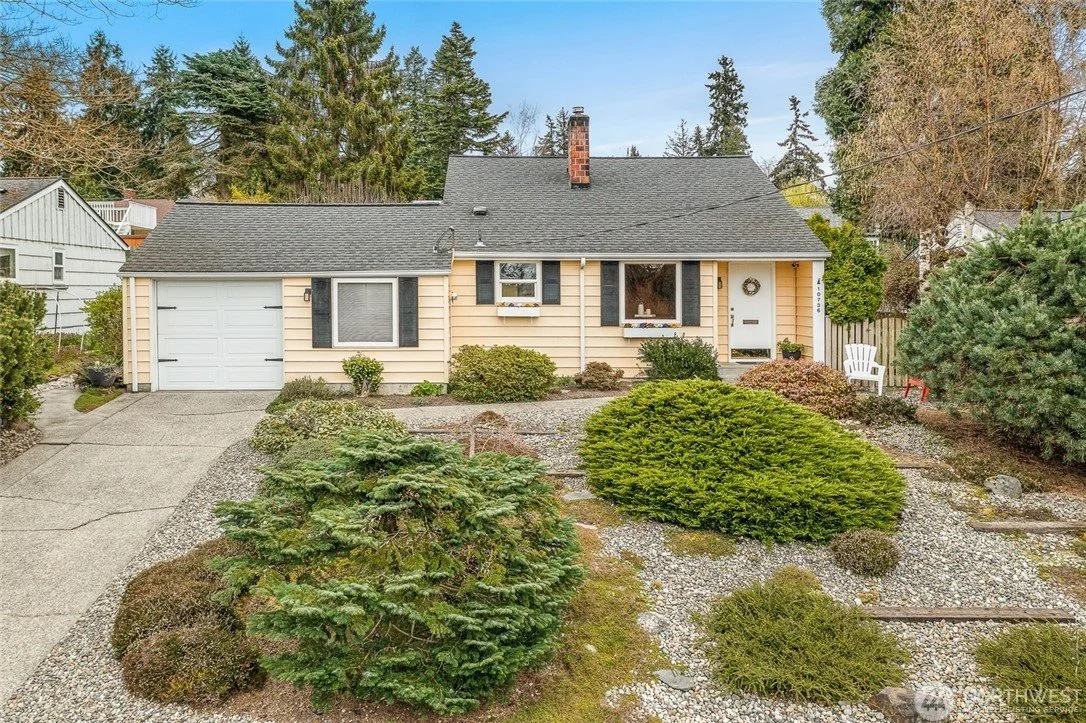
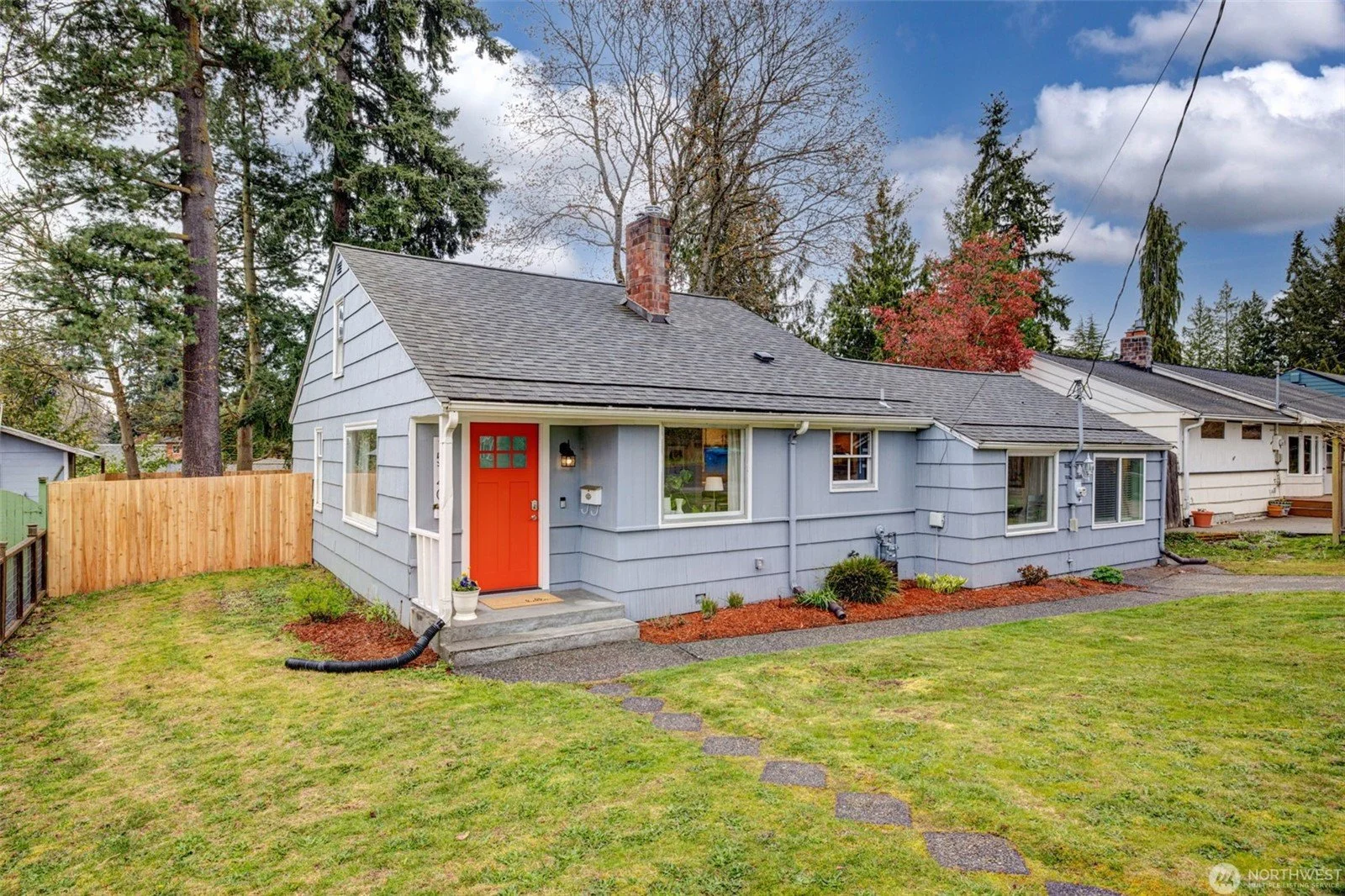
Lovell Construction built hundreds of homes around the Seattle region during the postwar housing boom. Rather than producing one identical house, the company offered a series of repeatable models—including names such as The Rancher, The Streamliner, The Northwester and The Coronet—that could be adapted to different sites and buyers.
More than seventy years later, many remain remarkably functional homes.
What does a Lovell home look like?
There is no single Lovell floor plan, but several characteristics recur:
Modest, efficient footprints
Broad or steeply pitched rooflines depending on the model
Two bedrooms frequently located on the main floor
Flexible upper half-stories tucked beneath the roof
Attached garages or carports, many subsequently converted into living space
Cedar siding and other straightforward Northwest materials
Knotty-pine walls, ceilings or built-ins, particularly in upstairs rooms
Simple fireplaces and restrained interior detailing
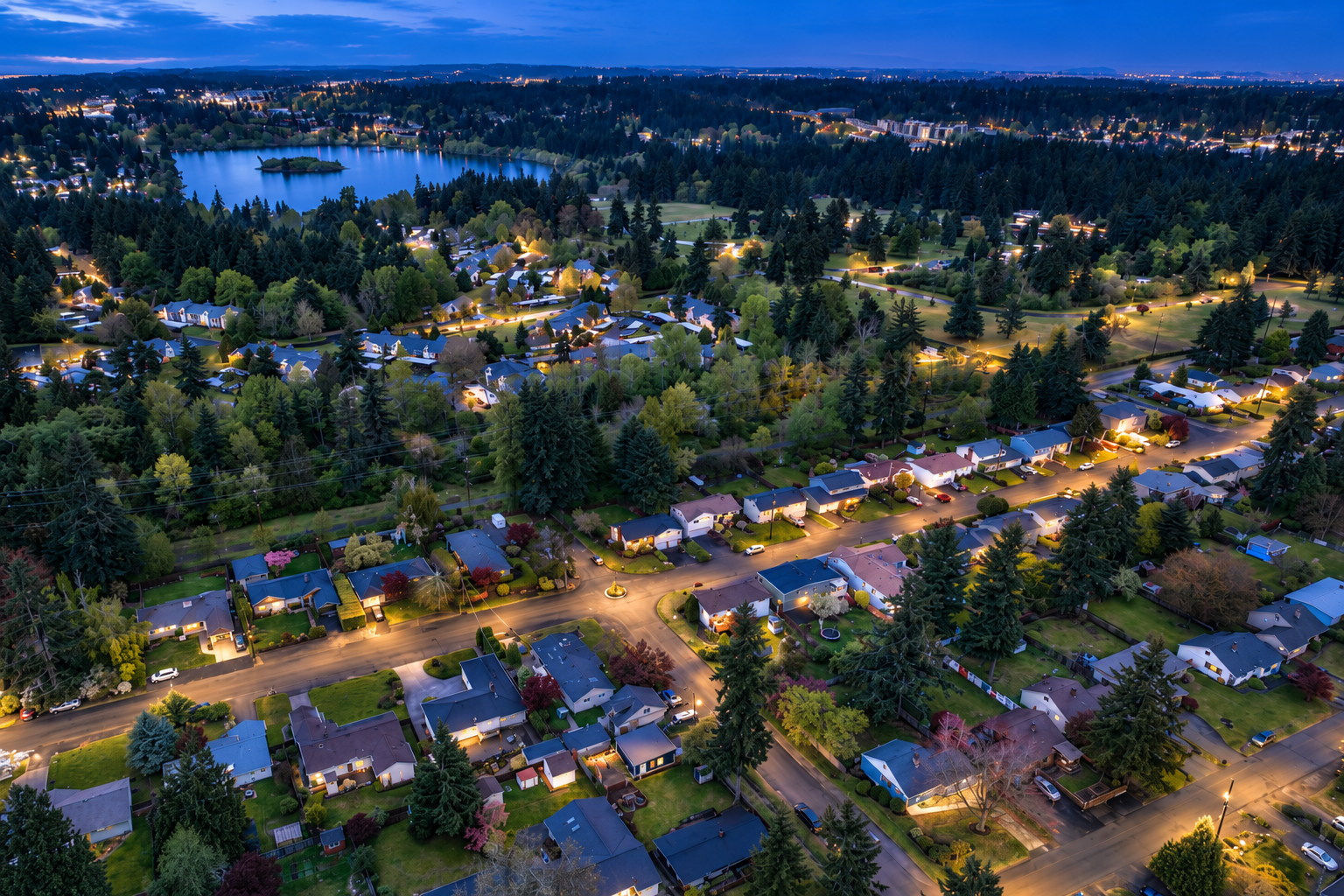
Lovell houses appear throughout north Seattle and Shoreline, with examples also identified elsewhere around the region.
Our two recent Shoreline listings offered an especially clear illustration. Standing almost face-to-face across the street, the houses retained enough of their original form to reveal their shared origins, while showing how differently similar homes can evolve over generations.
A floor plan designed to change
What interests me most as a real-estate broker isn't simply that these homes are recognizable. It is how successfully many have adapted.
Research I conducted for the Power of Place Project examined 122 Northwest Multiple Listing Service records representing 97 individual Lovell or Lovell-associated houses. Nearly nine in ten were recorded with two bedrooms on the main floor, and most also contained bedroom space above.
Over the decades, garages became family rooms, bedrooms and studios. Attic spaces were finished or divided. Kitchens expanded. Additions appeared.
Yet the basic organization of many houses remained surprisingly legible.
That flexibility matters in today's market.
A relatively compact house with principal rooms and bedrooms on the main level can work for buyers at very different stages of life. The upper half-story can become children's space, an office, guest quarters or retreat. A former garage may provide the additional square footage modern households want without fundamentally changing the scale of the original house.
Original isn't always better—but it can be revealing
Anyone buying an older Seattle-area house eventually has to decide what is worth preserving and what should change.
Lovell houses provide a particularly interesting example.
Original kitchens are now uncommon, which makes sense: kitchens and bathrooms tend to absorb successive generations of remodeling. But some Lovell houses still contain remarkably intact knotty-pine rooms, built-ins and other details that reveal how the houses were originally conceived.
Those surviving elements can be especially useful when evaluating a house. They provide clues about its original materials, planning and construction—and can help distinguish an intentional architectural feature from a later alteration.
The goal isn't necessarily to freeze a seventy-year-old house in time. Good stewardship starts with understanding what is distinctive about a house before deciding what should change.
Why provenance can matter in real estate
Most Lovell houses are not landmarks, nor were they intended to be.
Their significance is subtler.
They represent an important chapter in the Seattle region's postwar expansion and demonstrate how builders responded to enormous housing demand with standardized construction, accessible financing and relatively economical plans.
For an owner, knowing that history can provide useful context when renovating or preparing a property for sale.
For a buyer, it can explain features that might otherwise seem quirky: the unusually configured upstairs room, the enclosed garage, the knotty-pine wall or two neighboring houses that appear almost—but not quite—identical.
And for a broker, understanding the history of the region's housing stock makes it possible to distinguish an arbitrary oddity from a feature that tells us something meaningful about how a house was originally built and how generations of owners have subsequently used it.
Houses change. That's part of their value.
The two Shoreline Lovell homes we recently represented make that point beautifully.
They began with a shared architectural language. Over time, each was shaped by different owners, different decisions and different needs. Yet the underlying logic of the original houses remains visible.
That capacity to absorb change may be one of the reasons Lovell homes have endured so well.
The original house provided the framework. The people who lived there supplied the rest.
I recently explored Ellsworth Lovell and his houses in much greater depth for the Power of Place Project, including original sales literature, archival photographs, assessor records and extensive MLS research.
Read the complete Power of Place Journal essay: Lovell Homes: The Architecture of Everyday Life →
Edward Krigsman is a Seattle real-estate broker and the founder and producer of the Power of Place Project, an oral-history and place-based storytelling project examining how architecture, landscape and community shape the places we call home.\
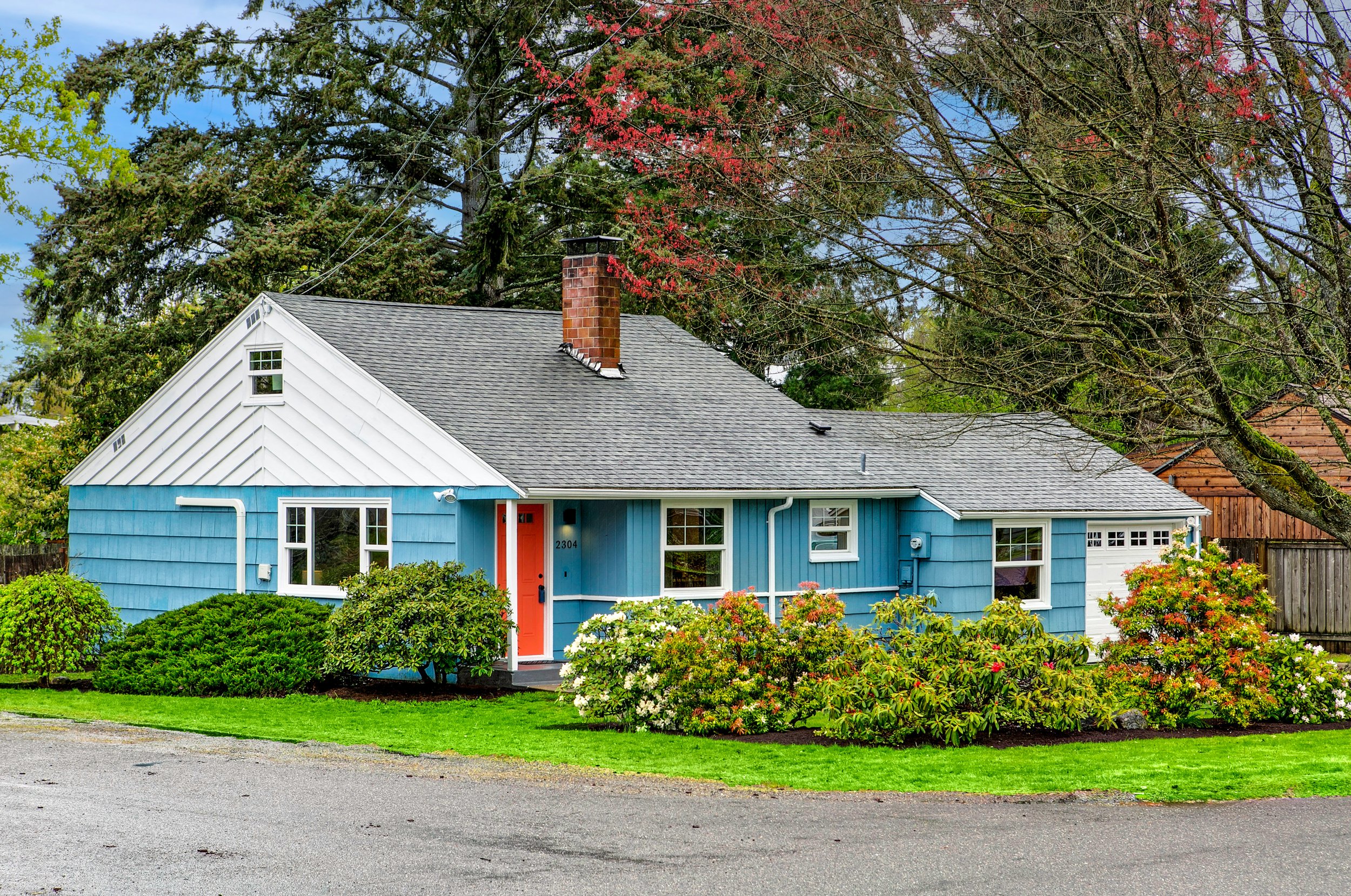
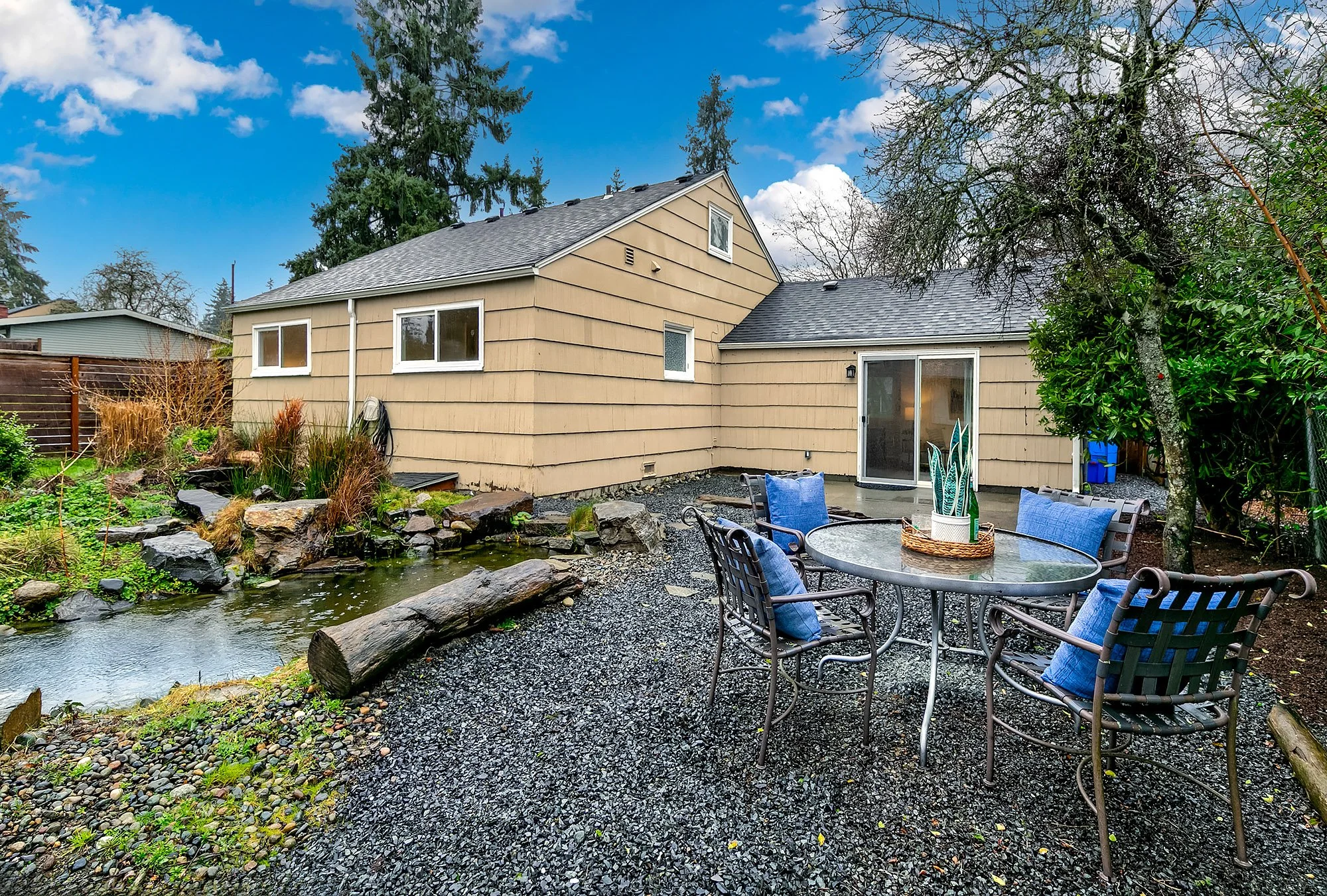
Two Lovell homes in Shoreline, directly across the street from one another, showing how a shared architectural vocabulary evolved over time.
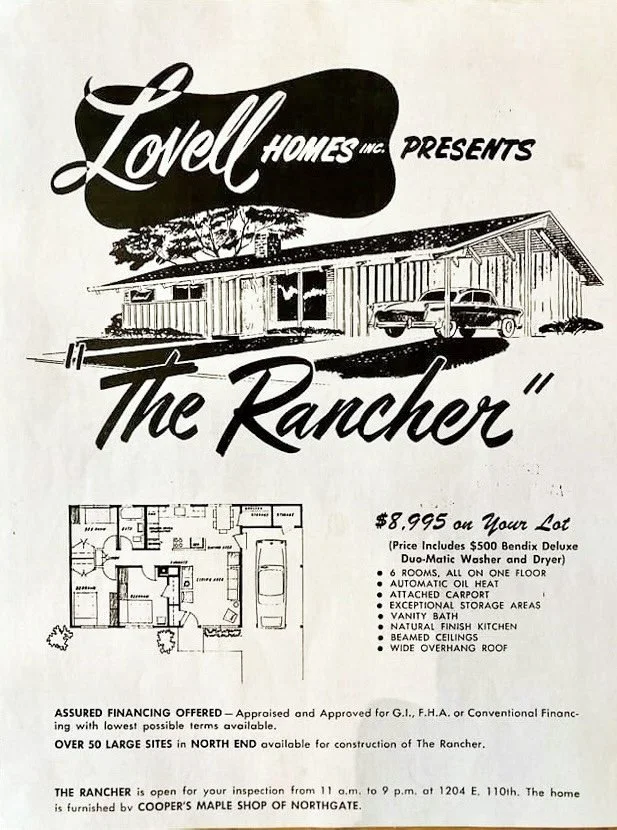
Lovell Construction offered a family of repeatable house models, each adapting a common building vocabulary to different buyers and sites.
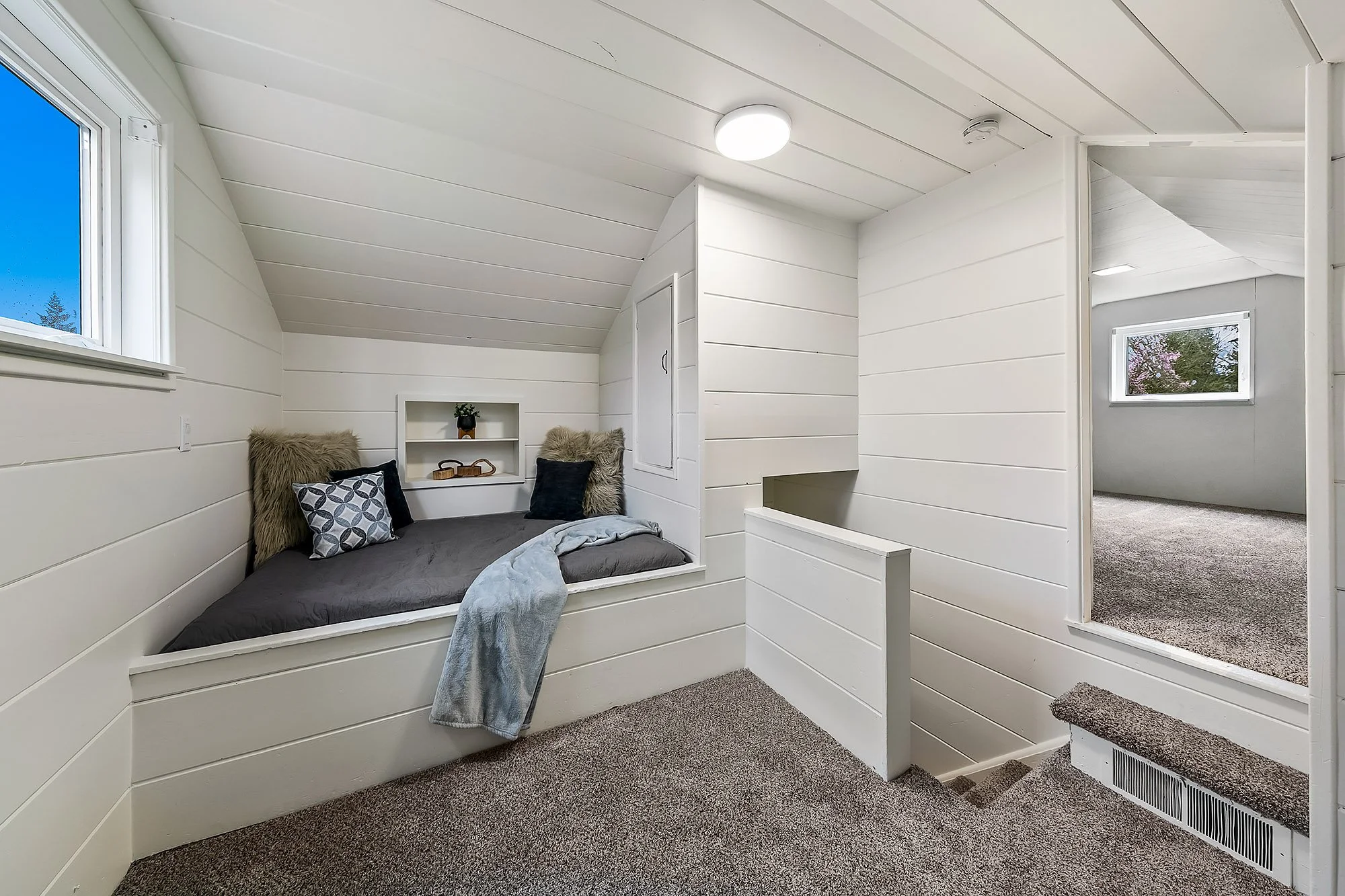
An upper-floor sleeping alcove in one of the Shoreline homes shows how efficiently Lovell used the half-story—and why these spaces remain so adaptable.
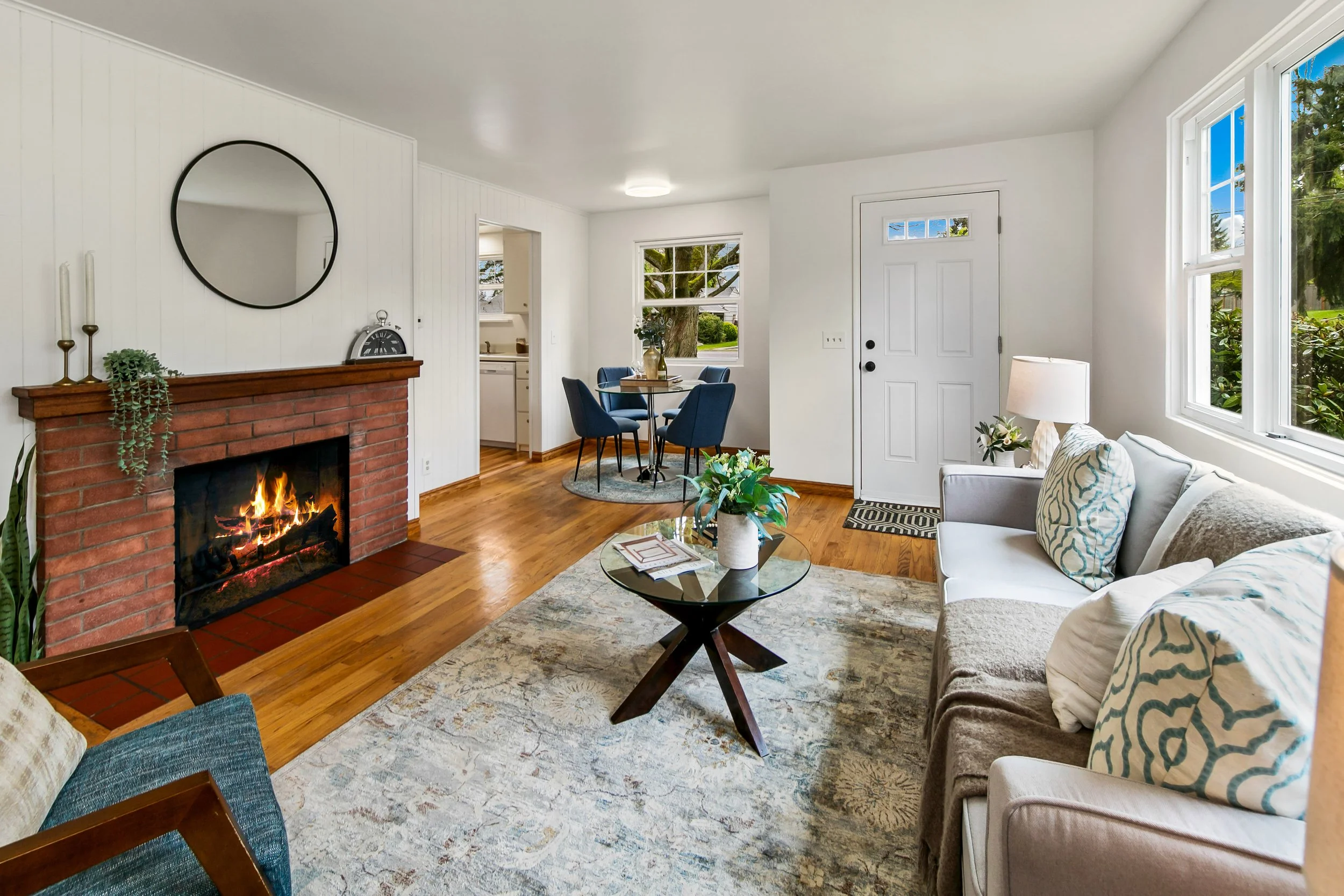
On the main floor, compact proportions and straightforward circulation helped make Lovell homes easy to adapt without losing their basic organization
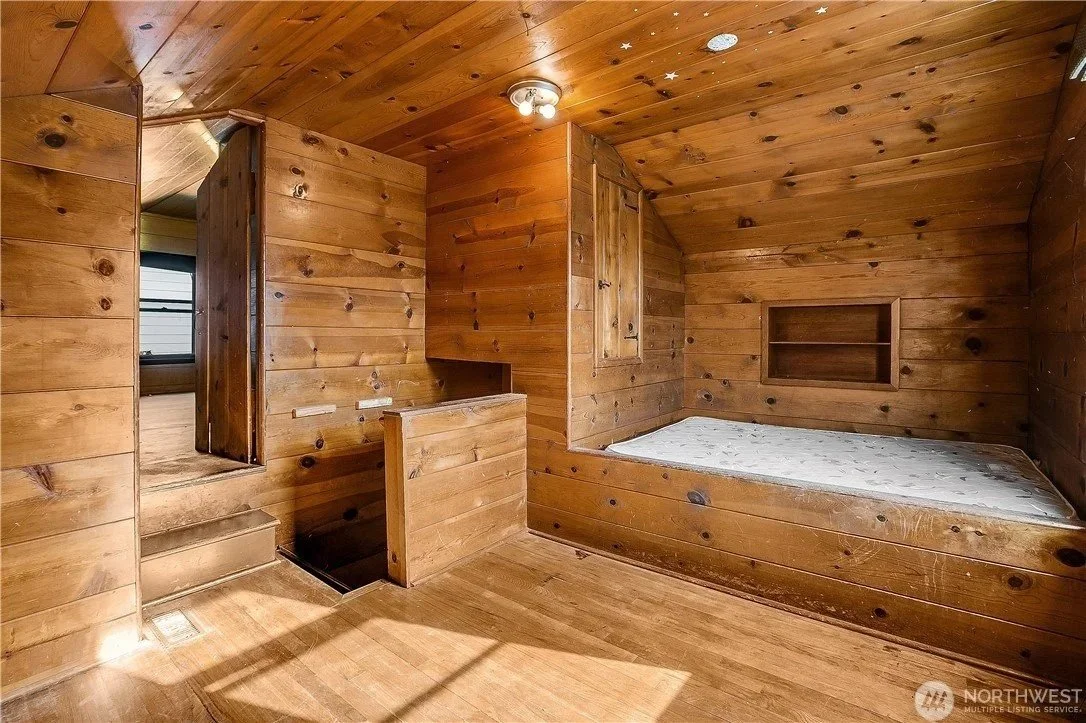
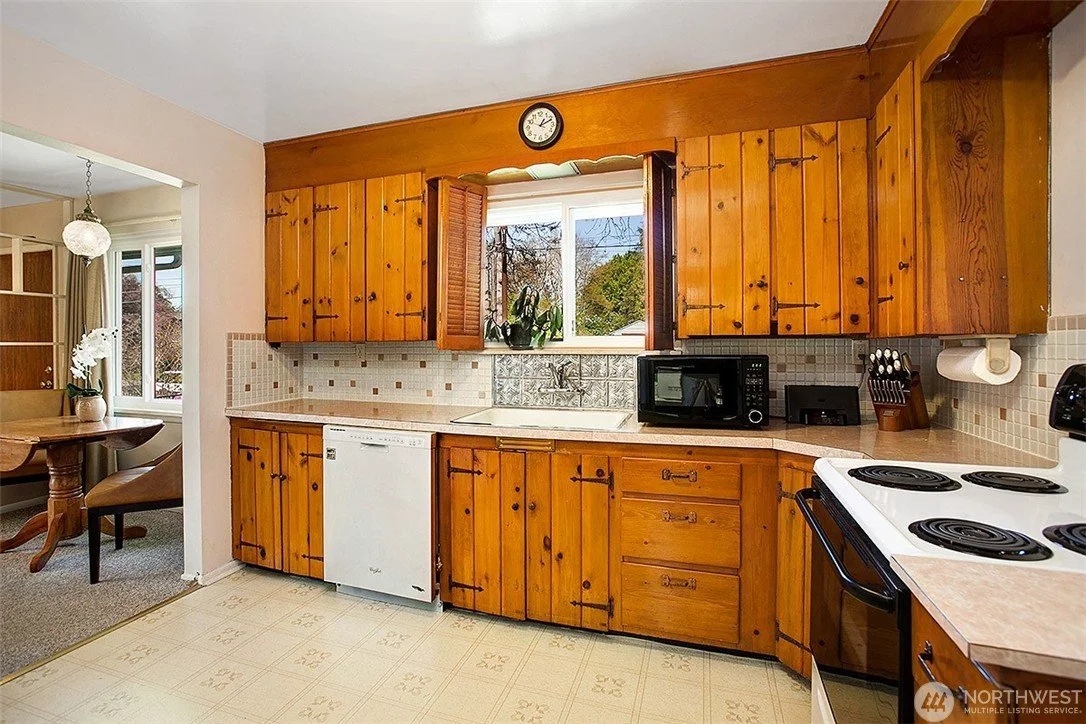
Knotty pine appeared throughout some Lovell interiors. Its survival in upper-floor rooms—and, more rarely, in an original kitchen—offers a direct record of the builder’s material vocabulary and of the different ways houses change over time.