BEACON HILL REMEMBERS: Día de los Muertos and the Spirit of Community
Each fall, the Beacon Hill neighborhood in Seattle transforms into a landscape of color, candles and memory. Beneath papel picado banners that ripple in the wind, families gather at El Centro de la Raza to celebrate Día de los Muertos, the Day of the Dead.
A Neighborhood with Heart
Perched just south of downtown Seattle, Beacon Hill stretches along a high ridge between the Duwamish Valley and Rainier Valley. Its long views and quiet streets frame one of the city’s most diverse and storied neighborhoods, a place shaped by generations of working families and strengthened by cultural exchange. Families here tend to stay—sometimes for lifetimes. According to recent census data, only about 7 to 14 percent of residents move in a given year compared with roughly 21 percent citywide, suggesting a rare stability that gives the neighborhood its enduring character.
At its center stands El Centro de la Raza, founded in the early 1970s by community organizer Roberto Maestas and a group of local activists who transformed an abandoned school into a living center for education, social justice and celebration. Today it remains a cornerstone of neighborhood life, hosting the city’s most meaningful Día de los Muertos festival.
Lingering Spirits of Place #1: The Park That Once Watched the Sky
During World War II, Jefferson Park, now filled with families and frisbees, served as an anti-aircraft training site. Soldiers once practiced scanning the clouds above Beacon Hill for enemy planes. Beneath its rolling greens, traces of those bunkers and concrete pads still lie hidden, adding an unseen layer of history to this calm hillside.
A Celebration of Connection
Inside El Centro’s Centilia Cultural Center, altars or ofrendas rise with offerings of marigolds, sugar skulls and framed photographs. Each altar tells a personal story: a grandfather’s guitar, a child’s drawing, a grandmother’s favorite recipe. Together they weave a collective narrative that reaches far beyond Beacon Hill.
Outside, the air fills with the scent of tamales and the rhythm of mariachi. Neighbors who’ve lived here for decades stand beside newcomers discovering the event for the first time. It reminds us that culture isn’t static; it’s shared, adapted and continually renewed.
Lingering Spirits of Place #2: The Hill That Hums
Residents have long reported a faint, mysterious vibration known as the Beacon Hill Hum, a low droning sound that no engineer or scientist has definitively explained. Some blame distant industrial fans or old tunnels under the ridge; others think the land itself is humming with memory. Around Día de los Muertos, when candles flicker and fog drifts through the trees, it feels fitting that Beacon Hill might have a heartbeat of its own.
Life Between the Hills
Beacon Hill offers a rare balance of serenity and connection. The light-rail station places residents minutes from downtown, SeaTac or Columbia City, while Jefferson Park unfolds across its western slope with skyline views, gardens and open fields.
Homes here range from Craftsman bungalows to mid-century ramblers and new townhomes, each part of a neighborhood defined less by architecture than by the relationships among its residents. With its long-term stability, easy transit and strong sense of community, Beacon Hill continues to attract homebuyers seeking a Seattle neighborhood that feels grounded and authentic.
Lingering Spirits of Place #3: The Comet Lodge Cemetery
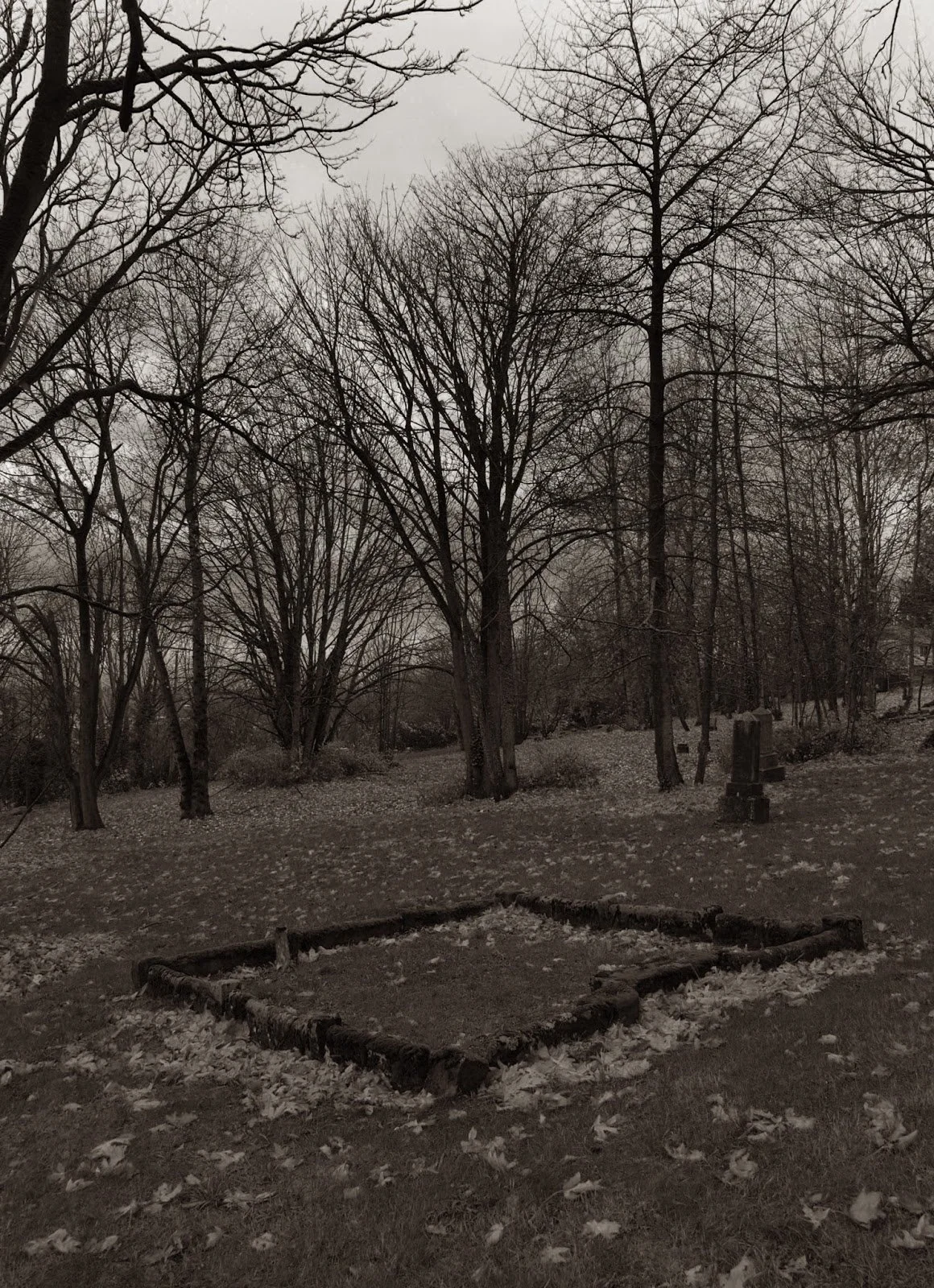
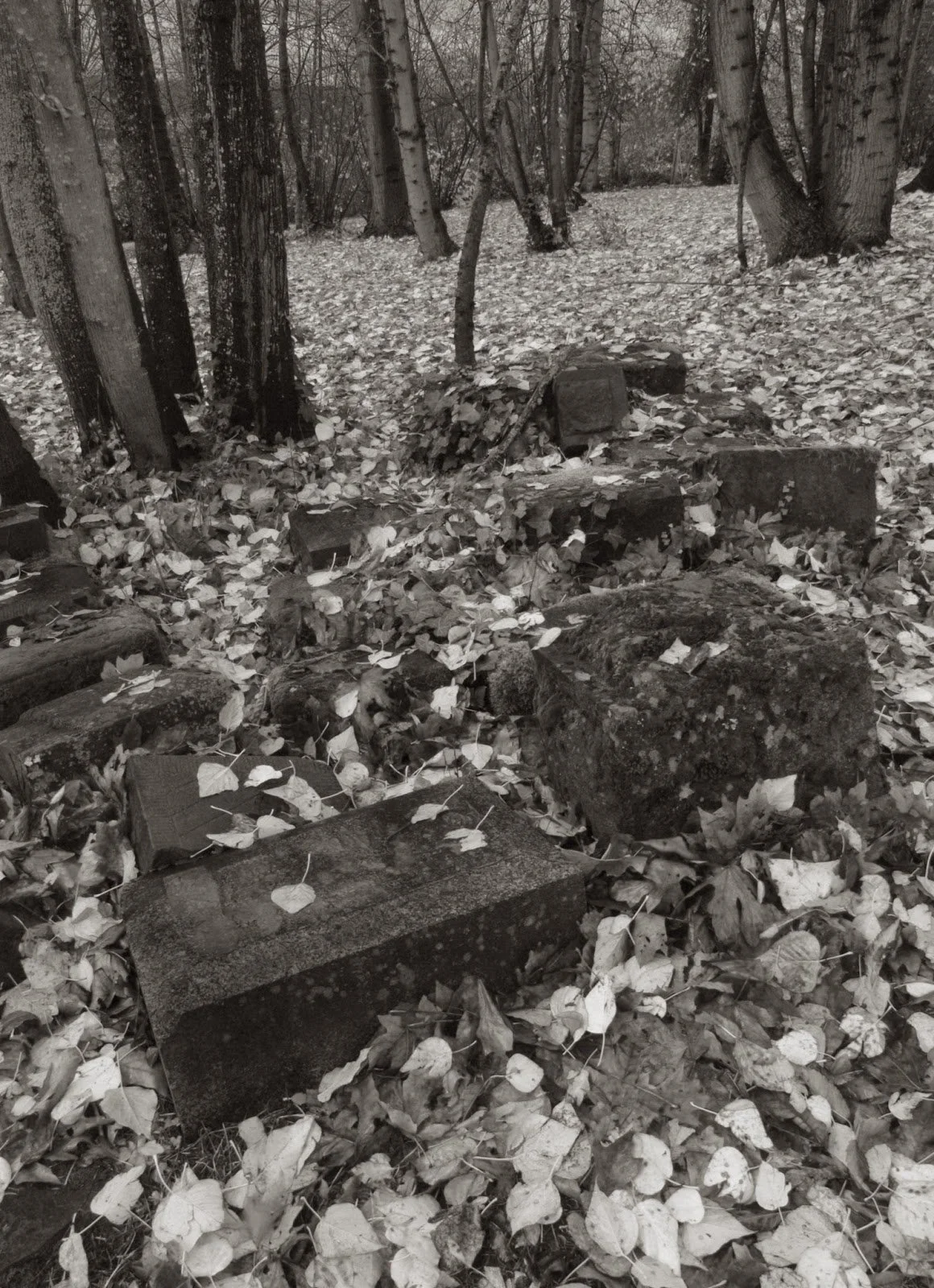
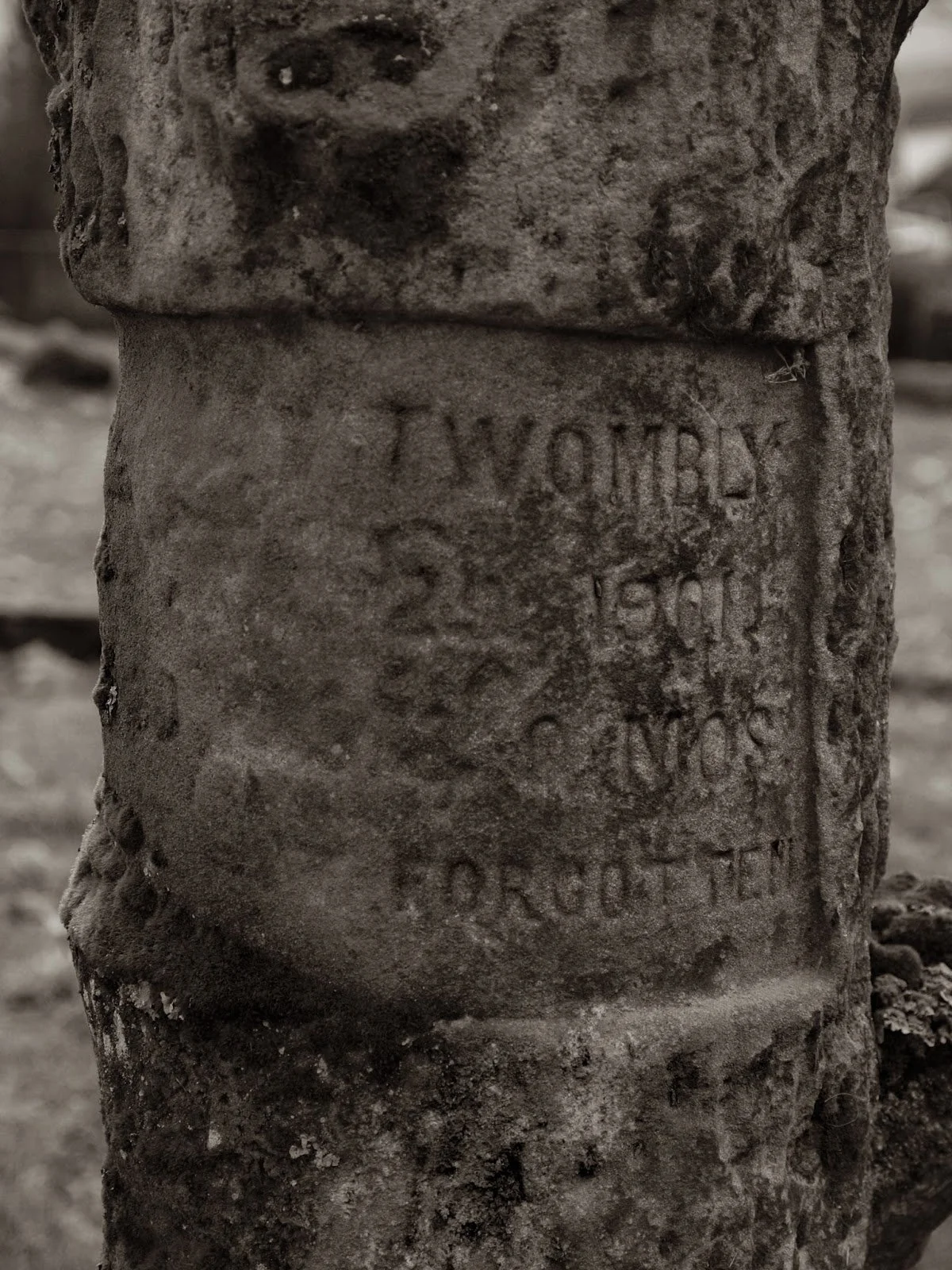
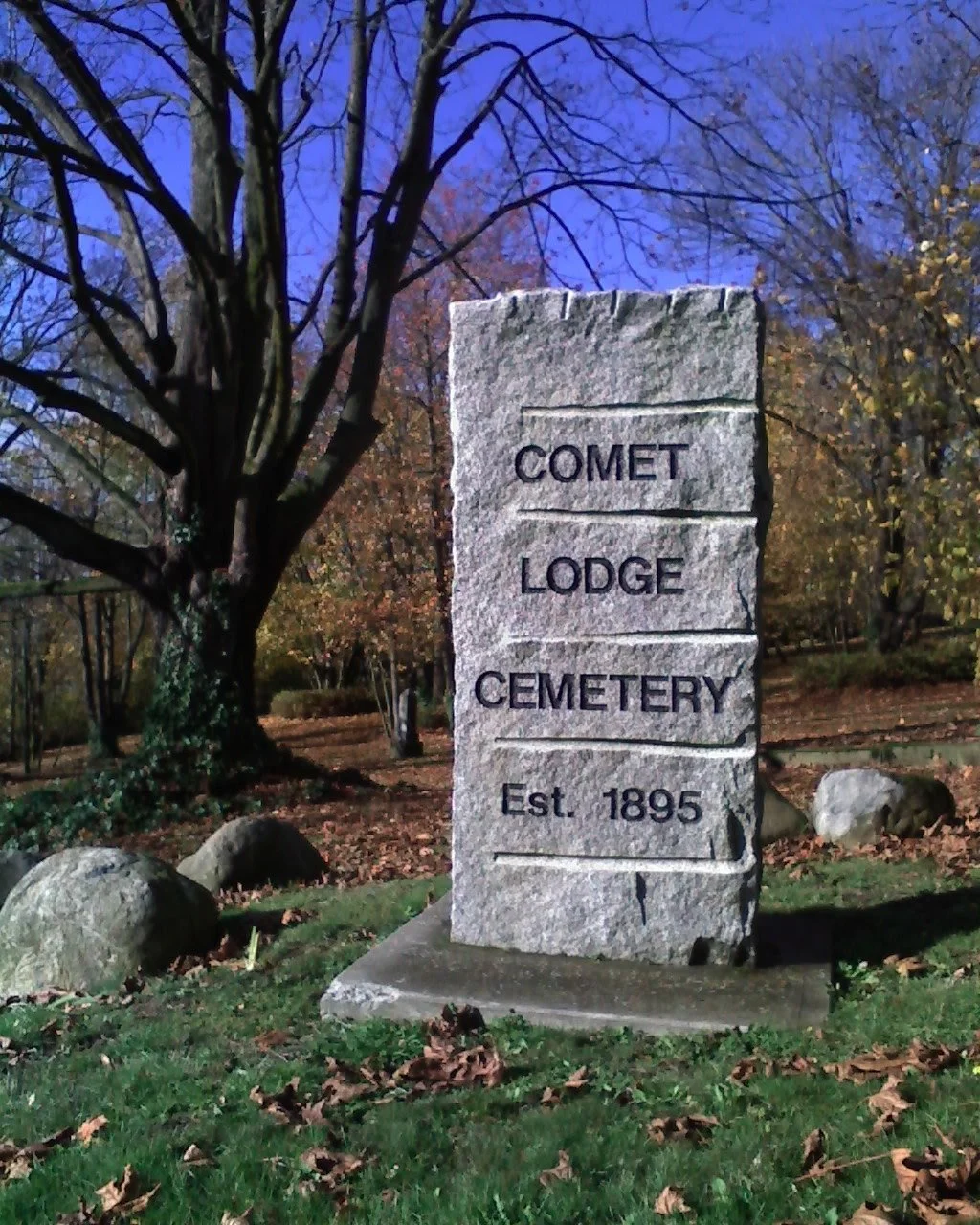
Tucked into the western slope of Beacon Hill, the Comet Lodge Cemetery is small enough to miss from the street yet large enough in memory to command its own weather. Established in the 1880s, it holds the remains of early settler families and, long before that, the resting places of Duwamish people who lived along the Duwamish River valley. Over time, boundary lines blurred, headstones vanished and homes crept close to the edge of consecrated ground. Neighbors speak of flickering lights on misty nights and the sound of children’s laughter carried on the wind. Whether those voices belong to memory or imagination hardly matters. Around Día de los Muertos, when candles glow across Beacon Hill, the cemetery feels less forgotten than folded gently into the living fabric of the neighborhood—one more reminder that the land itself keeps stories.
Honoring the Past, Shaping the Future
For many, Beacon Hill’s Day of the Dead celebration expresses belonging and continuity. It reminds us that neighborhoods are living things, shaped as much by remembrance as by renewal.
Whether you’re lighting a candle for a loved one, listening for that faint hum or exploring one of Seattle’s most storied hillsides, Beacon Hill offers an experience of place that feels both grounded and transcendent.
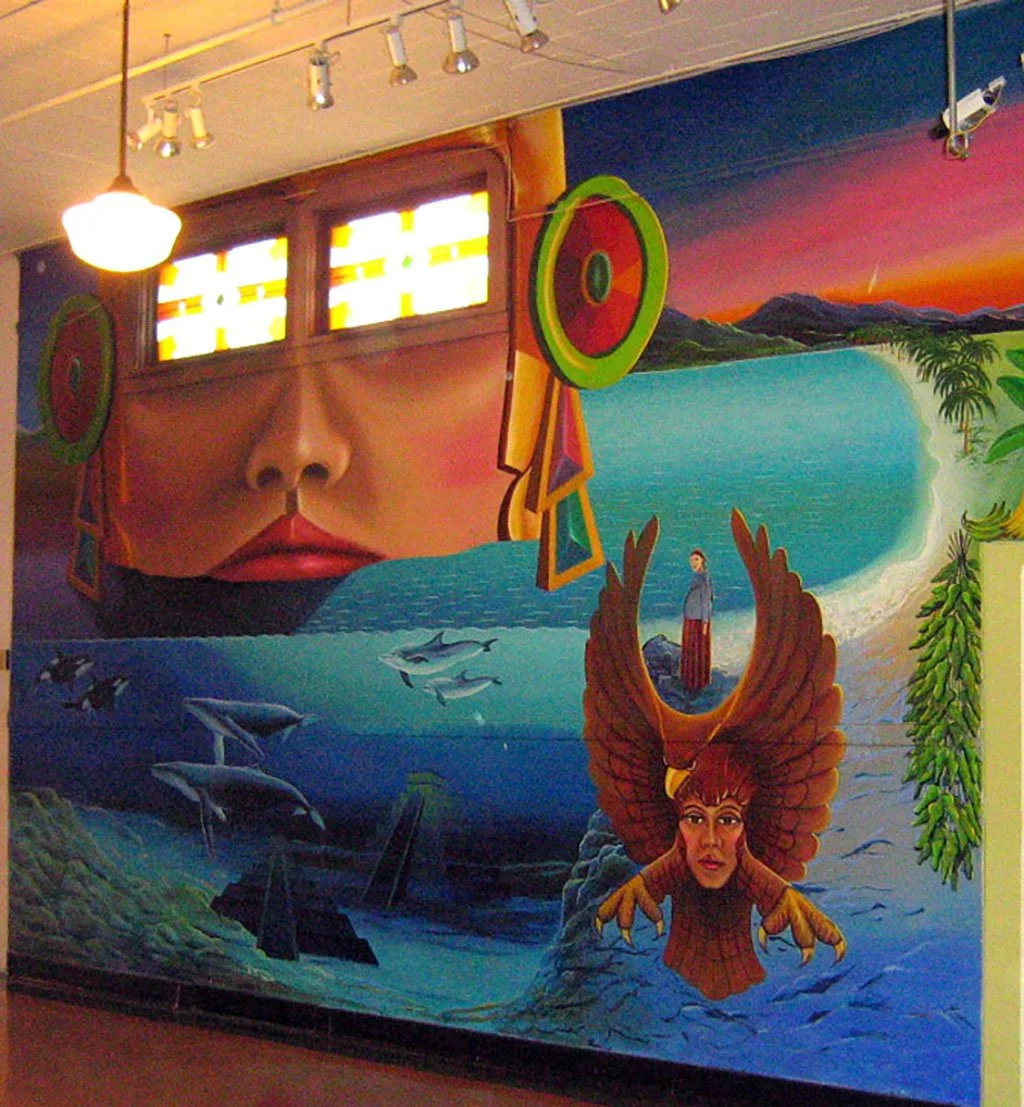
“I call this Mural, ‘An Explosion of Chicano Creativity’. It represents all of us and is here to welcome everyone to El Centro de la Raza. I hope it brightens your day and comforts you if you need help or feel lost.”
— Daniel DeSiga, 1972 mural at El Centro de la Raza
For Further Learning:
El Centro de la Raza: 1660 S Roberto Maestas Festival Street, Seattle
Event: Annual Día de los Muertos Celebration
Comet Lodge Cemetery: 2100 S Graham Street (between 21st and 23rd Avenues South). A small historic cemetery open to the public during daylight hours; please visit with respect.
More Info: https://www.elcentrodelaraza.org/events/dia-de-los-muertos